Why a well-functioning reuse system might be undermined by incoming regulations

A report from IVL Swedish Environmental Research Institute highlights both the promise and the fragility of today’s international textile reuse system. While the study documents a well-organised value chain linking used-clothing collections to thriving second-hand markets, it also underscores that regulatory, logistical and political pressures in Europe risk undermining one of the few proven circular models that actually works.
The report highlights how used textiles collected in Sweden are routed through specialised sorting centres and then exported for reuse in markets where demand is strong. In the case study following Humana Lt’s operations, approximately three-quarters of all collected garments were suitable for reuse, with only a small fraction classified as waste. In Kenya, these garments generate jobs, support small businesses and extend the lifespan of clothing that would otherwise be downcycled or incinerated.
"There is a well-functioning value chain for reuse. Clothes that we cannot find a market for in Sweden today are given a longer life in a new market. The sorting facilities have developed specialised expertise in sorting by both quality and product categories, with the value increasing at each stage", says Mathias Gustavsson at IVL.
Contradict waste narrative
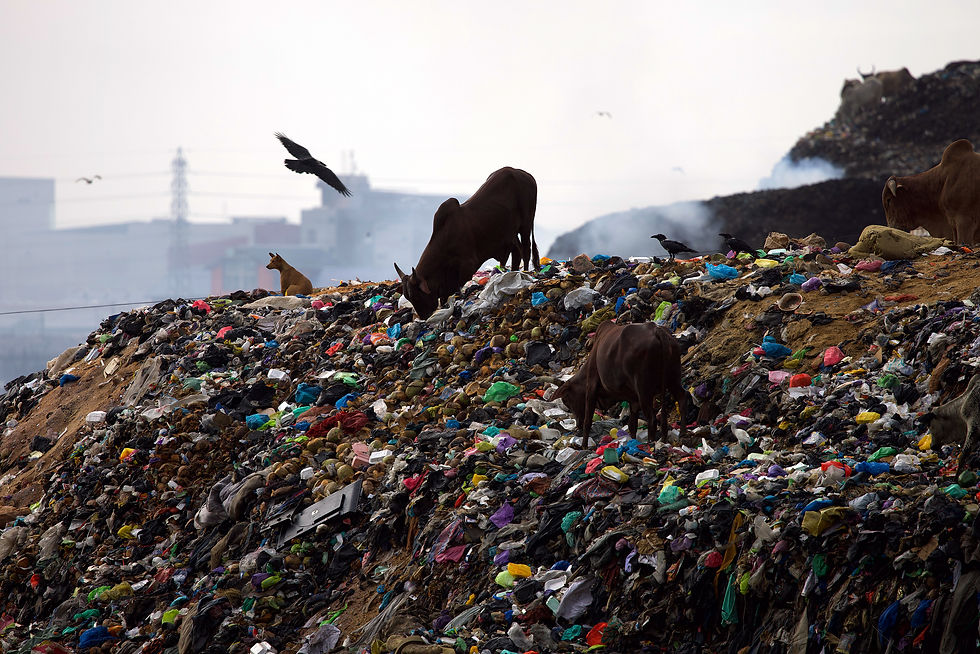
These findings directly contradict a widespread narrative portraying second-hand exports to Africa as “waste dumping”. The economics simply do not support this claim: exporting low-quality, unsellable textiles is financially irrational for collectors, who face both sorting costs and significant import duties in receiving countries. Instead, the report shows that the global reuse trade is driven by market demand and quality controls—not the disposal of unwanted waste.
European policies destabilising
Yet, the study also warns that new European policies risk destabilising the system. Mandatory separate textile collection, now being rolled out across Member States, often fails to distinguish between reusable garments and true textile waste. When these streams mix, contamination increases, quality declines and fewer garments can be resold—threatening the viability of reuse both domestically and internationally.
Amanda Martvall, textile expert at IVL, says:
"Collection should be designed to avoid mixing these two types of textiles. This will improve the quality of both textile streams, enabling clothes to be reused in the first instance, and other textiles to be recycled in a cost-effective manner once the technology is in place".
At the same time, political resistance to second-hand imports in parts of East Africa, coupled with growing global scrutiny of textile waste, places additional pressure on exporters. Without clear differentiation between reuse and waste management, European legislation may inadvertently funnel more textiles into recycling and incineration—even though reuse remains far more climate-efficient.

Why a well-functioning reuse system might be undermined by incoming regulations
The IVL report therefore lands at a critical moment. It shows that a working, economically viable reuse chain already exists and delivers significant environmental and social benefits. But it also makes clear that this model is not guaranteed to survive the next wave of regulatory reforms unless policymakers adopt more nuanced approaches.
For the circular economy to live up to its promise, Europe must protect and strengthen the reuse value chain—not disrupt it. And that begins with acknowledging what the data shows: the export of used clothing is not a dumping problem, but one of the most effective reuse systems we currently have. This is why a well-functioning reuse system might be undermined by incoming regulations.
Written by
Thomas Lundkvist
Read more: Full IVL-Report
Read more: True & False about second-hand clothing


Comments