Most textiles in Europe are burned

Europe’s textile system was built around reuse. Today, that system is under pressure, and most discarded clothing no longer finds its way back into use.

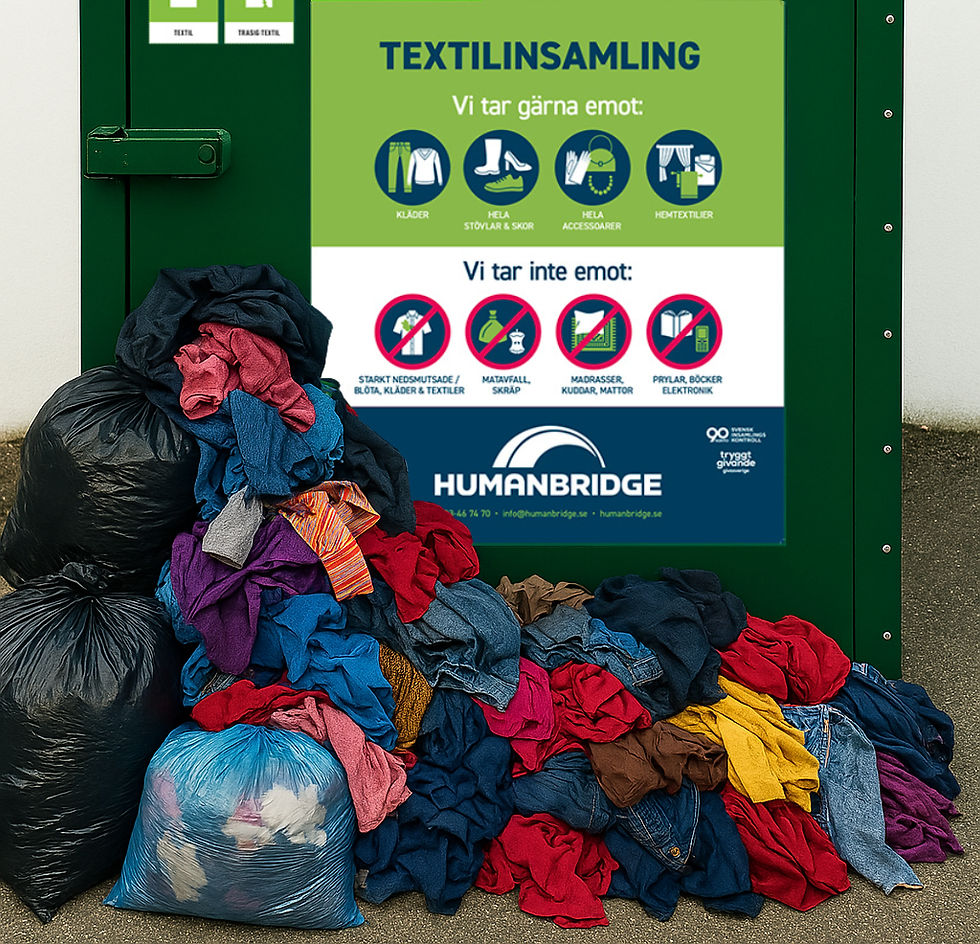
Across Europe, millions of tonnes of clothing are discarded every year. While policies aim to increase reuse and recycling, the system handling used textiles is struggling to keep pace.
Reuse markets remain limited and increasingly unstable. Recycling capacity is still small. At the same time, more textiles are entering collection systems as new regulations take effect.
As a result, a growing share of discarded clothing is diverted into waste streams.
In practice, this often means incineration.
The shift is not driven by a single policy or market change, but by a combination of pressures: rising volumes, weaker export markets, higher sorting costs and limited alternatives at scale.
Together, these factors are reshaping where Europe’s clothes actually end up.
The full dynamics behind this shift — and the policies driving it — are explored in our main analysis.


Comments