Europe’s textile collection system under acute pressure

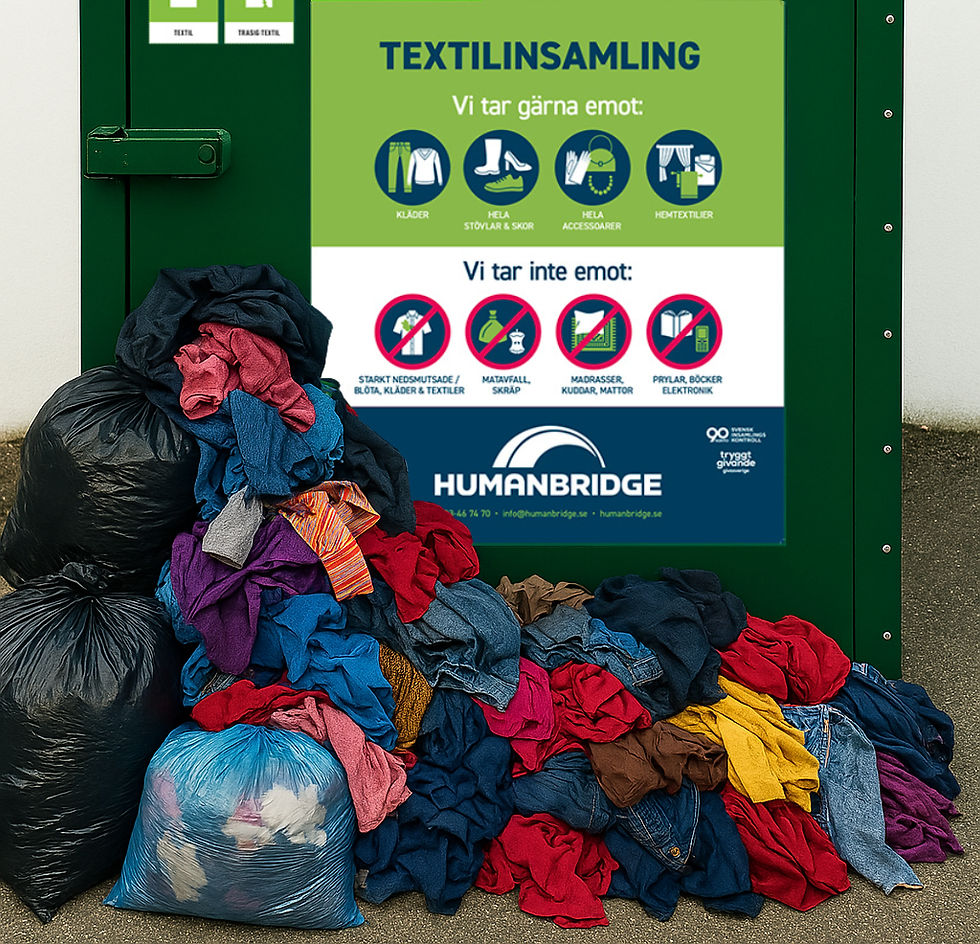
Rising inflows, uneven material quality and delayed financing are pushing parts of the system towards instability. RREUSE and a coalition of European social and circular economy organisations has issued a stark warning: the EU’s textile collection and sorting system is under acute pressure.
The statement came 18 January, just months after separate textile collection became mandatory across the EU under the revised Waste Framework Directive, and before extended producer responsibility (EPR) schemes for textiles are fully operational in many member states. RREUSE describes the situation as an unfolding crisis for collectors and sorters. Since the obligation to collect textiles separately took effect, volumes have increased significantly in several countries.
However, collection is only the first step in a longer and more resource-intensive chain. Sorting, grading, preparation for reuse and potential recycling require labour, logistics capacity and stable end markets. In many regions, that infrastructure is still adjusting to the new regulatory landscape and to the forthcoming EPR framework.
“The influx of disposable fashion, and therefore low quality, non-reusable and non-recyclable garments, is overwhelming recovery systems,” said Neva Nahtigal, Director of RREUSE, as part of the coordinated industry warning. She added that the organisation is “extremely concerned about what this means for the future of social enterprises across the EU.”
Financing gap in textile EPR rollout
A central concern is the gap between rising inflows and secured financing. Extended producer responsibility systems for textiles are being rolled out across Europe following amendments to EU waste legislation, but implementation timelines, fee structures and governance models vary. In the meantime, many collectors, including social enterprises that rely on resale revenues, face higher operational and compliance costs without corresponding financial support. The result is mounting economic pressure at the front end of the post-consumer textile system.
“Social economy actors are pioneers of the circular economy, reusing goods instead of destroying them. Today, we can’t afford to pay for the consequences of global overproduction,” said Eve Poulteau, Chief Executive of Emmaüs Europe.
“Producers and marketers must accept the consequences of their actions and economically support our actions.”
Material quality and export market uncertainty
Quality is another structural challenge. As more textiles enter separate collection streams, the share of low-value or non-reusable items increases. That material must still be sorted, documented and handled in line with waste legislation, even if it cannot easily be resold or recycled at scale.
At the same time, export markets for used textiles are becoming more uncertain amid ongoing debates over waste classifications, shipment controls under the Waste Shipment Regulation and tightening environmental standards in importing countries. For operators who depend on international resale channels to finance collection and sorting, this adds another layer of regulatory and commercial risk.
Sequencing of reforms creates transitional strain
RREUSE does not question the goals of mandatory separate collection or textile EPR. Instead, the coalition argues that the sequencing of reforms is creating strain. Collection obligations have moved ahead quickly, while financing mechanisms, market outlets and domestic recycling capacity are still catching up. The imbalance leaves local collectors and sorters exposed during a transitional period in the EU’s circular economy transition.
The warning also comes at a moment when EU policymakers are tightening rules on the destruction of unsold textiles under the Ecodesign for Sustainable Products Regulation and placing greater emphasis on keeping materials in circulation. If inflows continue to rise before sorting and recycling capacity stabilises, pressure on the system could intensify further.
For now, the message from parts of the reuse sector is clear. Europe’s textile collection system is expanding rapidly under new EU waste rules, but the economic and logistical foundations needed to support that expansion are still under construction.
About RREUSE
RREUSE is a Brussels-based European network representing social enterprises active in reuse, repair and recycling across more than 20 countries. It engages in EU policy debates on waste, circular economy and extended producer responsibility, representing organisations involved in activities such as textile collection and sorting.


Comments