France stabilise textile EPR as resale markets weaken

France has temporarily increased financial support for textile collection and sorting under its Extended Producer Responsibility scheme, raising payments from around €228 to €268 per tonne. The €40 uplift is intended to prevent insolvencies in a sector under mounting economic pressure.
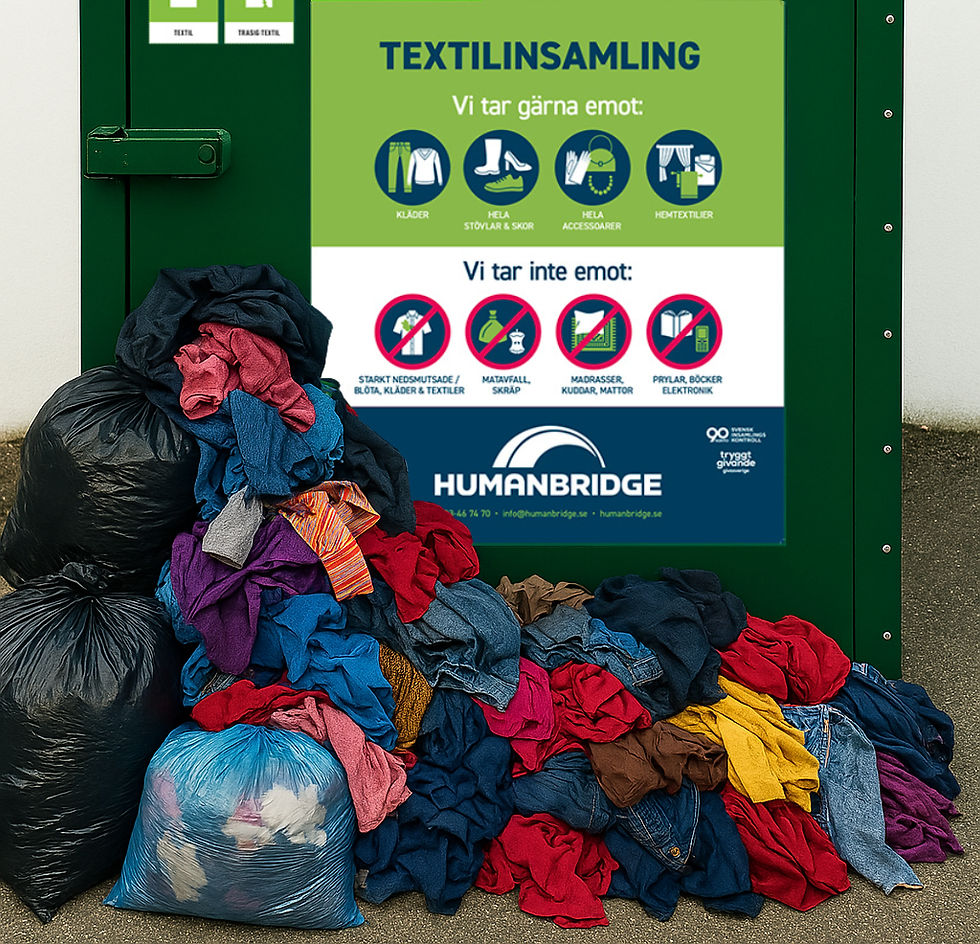
The decision comes as France’s textile recovery system faces a widening structural gap between volumes placed on the market and volumes collected. In 2024, nearly 891,000 tonnes of new textile products were placed on the French market, while collection volumes reached approximately 289,400 tonnes. Operators report falling resale values, rising logistics costs and saturated export markets, particularly in parts of Africa.
The higher payment level is designed to cover a larger share of net sorting and logistics costs and preserve the collection and treatment capacity built up under the French REP system. Without intervention, industry representatives warned that bankruptcies could undermine both employment and recycling infrastructure.
The measure is presented as temporary. At the same time, the government has signalled broader structural reforms to the textile REP framework, aimed at improving economic viability, traceability and domestic recycling performance. Discussions reportedly include stronger cost alignment within the system and potential financial penalties targeting ultra-fast fashion models.
France’s move highlights a wider European question: whether textile EPR fees are calibrated to reflect real system costs in a market increasingly strained by overproduction and volatile second-hand demand. As the EU prepares to harmonise textile producer responsibility across Member States, the French case offers an early test of how quickly national systems can come under financial stress.


Comments